Decision Lantern

Cameras and audio calculator

Microphone category selector

Reviewed Skip to the planner

People choosing a first recording microphone. The decision this page isolates is narrow on purpose: pick a dynamic, condenser, or multi-mic category from voices and room treatment. Payload, channel count, and distance decide the class. A sample photo does not.

This page produces an explainable category or size so options can be compared without a product ranking. The calculator does not rank Shure and Rode. It produces an explainable class so Shure SM7B, Rode NT1 5th Generation, and Shure MV7+ can be compared as examples of that class.

The working method is: Use a dynamic mic in untreated rooms, a condenser in quiet rooms, and multiple mics when more than one person speaks. Planning notes are grounded in SD Association. Polar pattern and USB versus XLR are separate choices.

How to use this calculator

People choosing a first recording microphone. Pick a dynamic, condenser, or multi-mic category from voices and room treatment. If you can answer people speaking at once, this page can produce a class you can shop against.

What this page will not do

  1. Enter the planning inputs

    Choose a microphone category by recording people speaking at once. Use real measurements or counts, not a rounded marketing number.

  2. Mark the constraints that change the class

    Only check the room is quiet or treated when that constraint is actually present. Extra checks can jump the class.

  3. Read the microphone category

    Select category and treat the headline as a class, not a product name. Matching examples below follow Dynamic, Broadcast, Condenser, and Multiple.

  4. Compare official pages, then verify

    Open the official page for each example in that class. Confirm current specifications, dimensions, and terms. Decision Lantern does not quote a live price or complete an install review.

Planning classes on this page

Dynamic
Example: Shure SM7B, Shure MV7+
Broadcast
Example: Shure SM7B
Condenser
Example: Rode NT1 5th Generation
Multiple
Example: Shure MV7+

Choose a microphone category

Microphone category

Dynamic broadcast mic

Compare options with at least:

  • 1 voice
  • Polar pattern and interface (USB vs XLR) are separate choices
  • A dynamic mic usually rejects more room noise

Example products for Microphone category selector

Real products that fit this planning category. Specs come from the manufacturer’s product page. These are examples, not rankings. Product names that go to Amazon are associate links. Decision Lantern may earn a commission at no extra cost to you.

Compare the official examples

The table below is a side-by-side of the official examples on this page. Columns are published facts—maker, planning class, and notes taken from the official page—not scores. Shure SM7B, Rode NT1 5th Generation, and Shure MV7+ are included so you can see how classes differ, then open the official page for the current specification.

Published facts for the example products on this page. Not a ranking.
ExampleMakerPlanning classesPublished notesOfficial page
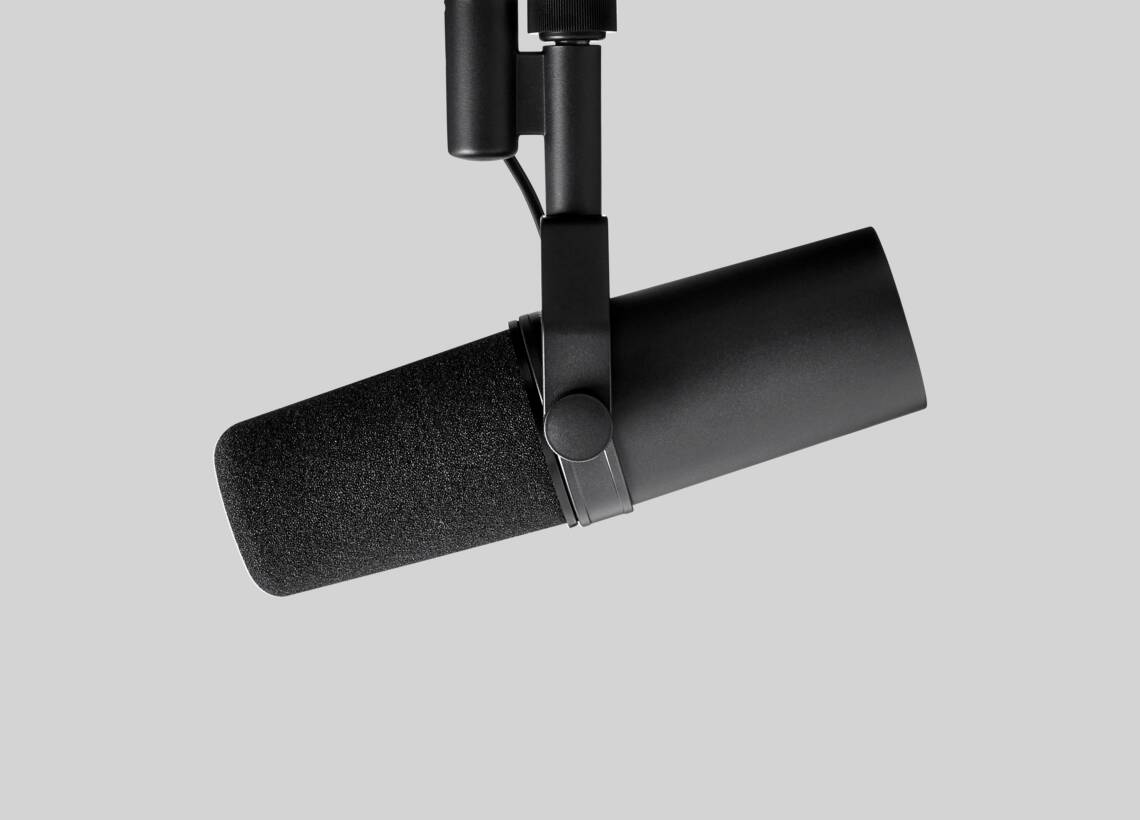
Shure SM7BShureDynamic, BroadcastDynamic cardioid; Broadcast standardShure SM7B official page
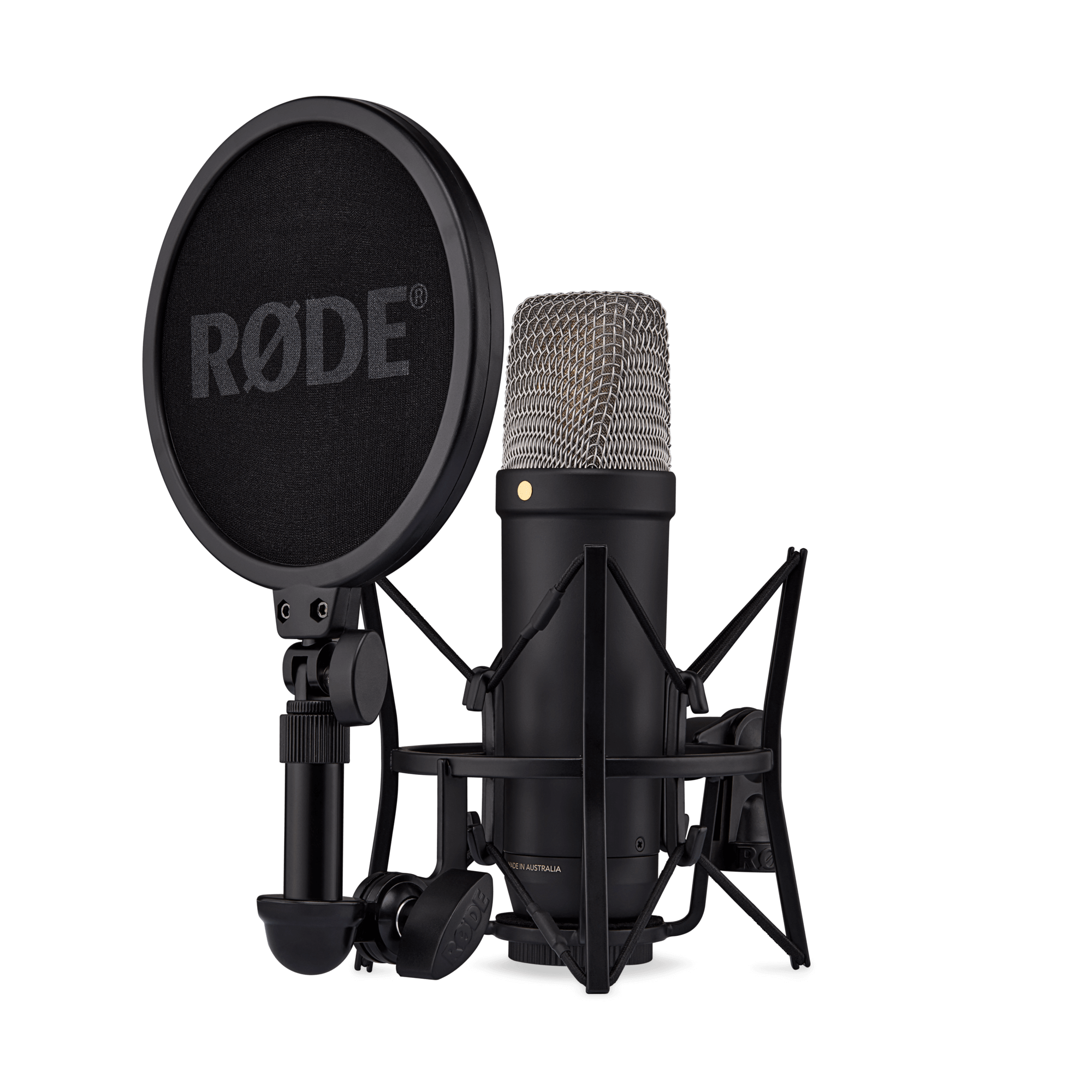
Rode NT1 5th GenerationRodeCondenserCondenser; XLR + USBRode NT1 5th Generation official page
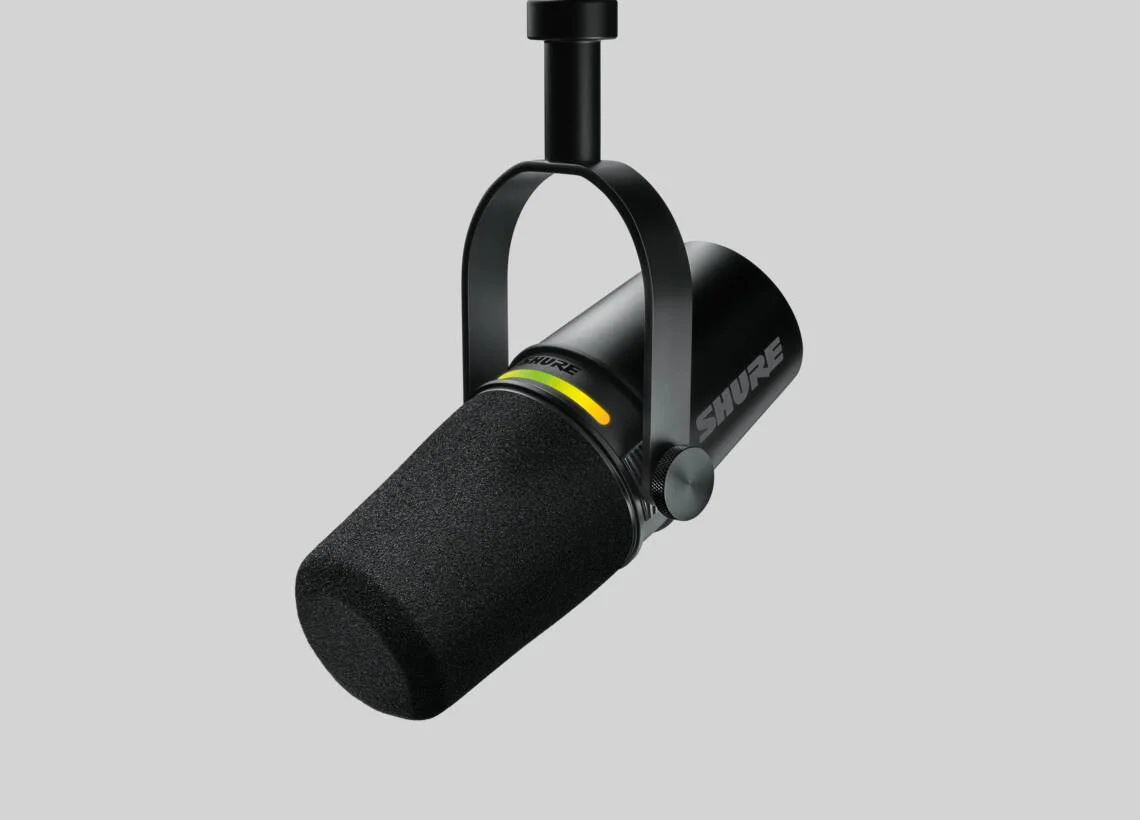
Shure MV7+ShureDynamic, MultipleUSB/XLR dynamic; PodcastShure MV7+ official page

Which example fits which class

Shure SM7B

Shure

Shure SM7B from Shure is an example in the Dynamic and Broadcast class. Published notes on the official page include Dynamic cardioid and Broadcast standard. Keep it in the shortlist when your result lands in that class, then confirm the current specification before you buy.

Rode NT1 5th Generation

Rode

Rode NT1 5th Generation from Rode is an example in the Condenser class. Published notes on the official page include Condenser and XLR + USB. Keep it in the shortlist when your result lands in that class, then confirm the current specification before you buy.

Shure MV7+

Shure

Shure MV7+ from Shure is an example in the Dynamic and Multiple class. Published notes on the official page include USB/XLR dynamic and Podcast. Keep it in the shortlist when your result lands in that class, then confirm the current specification before you buy.

What to verify before you buy

How this estimate works

Use a dynamic mic in untreated rooms, a condenser in quiet rooms, and multiple mics when more than one person speaks.

Know the limits

  • Polar pattern and USB versus XLR are separate choices.
  • This is not a studio-design or acoustic treatment plan.
  • Provider specifications and program terms can change and must be verified on official pages.

Frequently asked questions

How does the microphone category selector work?

It converts people speaking at once into a planning class using a published rule. Use a dynamic mic in untreated rooms, a condenser in quiet rooms, and multiple mics when more than one person speaks. The headline is a class such as Dynamic, Broadcast, Condenser, and Multiple, not a vendor ranking.

Is Shure SM7B better than Rode NT1 5th Generation?

This page does not rank Shure SM7B, Rode NT1 5th Generation, and Shure MV7+. Shure SM7B and Rode NT1 5th Generation are listed because they are real products with official pages that map to different or overlapping classes. The useful question is which class matches your inputs.

Can I treat the result as a buying recommendation?

Polar pattern and USB versus XLR are separate choices. Use the class to decide what to read next, then verify fit, terms, and installation requirements on the official page and with a qualified installer when the product needs one.

Do the product links earn Decision Lantern a commission?

Not on the current preview. Links go to official manufacturer or service pages. If compensated links are added later, the disclosure on this page will say so in plain language.

What should I verify after I get a class?

Confirm the current specification, dimensions or plan limits, and any program terms on the official page. This is not a studio-design or acoustic treatment plan. The next editorial review for this page is due 2026-11-14.

Why these 3 examples?

They are real cameras and audio options with an affiliate program on file and an official product page. Shure and Rode appear because each one can represent at least one planning class on this page, not because Decision Lantern tested or endorsed them.

Sources

  1. SD Association Speed Class, SD Association. Retrieved .

Next review