Decision Lantern

Energy and power calculator

Power-bank trip calculator

Reviewed Skip to the planner

Travelers estimating a pack from device energy and the number of recharges. The decision this page isolates is narrow on purpose: convert device watt-hours and needed charges into a pack category. Watt-hours and inverter watts are different limits. Size both before you compare a station.

Reports a watt-hour floor, an equivalent 3.7 V milliamp-hour figure, and a pack class to compare. The calculator does not rank Anker and Nitecore. It produces an explainable class so Anker 737 Power Bank, Anker Prime 20,000 mAh, and Nitecore NB20000 can be compared as examples of that class.

The working method is: Multiply device watt-hours by the number of full charges, divide by conversion efficiency, and convert the result to milliamp-hours at 3.7 V. Planning notes are grounded in National Renewable Energy Laboratory. Cable loss, cold weather, and laptop USB-C negotiation reduce delivered energy.

How to use this calculator

Travelers estimating a pack from device energy and the number of recharges. Convert device watt-hours and needed charges into a pack category. If you can answer the published inputs on this page, this page can produce a class you can shop against.

What this page will not do

  1. Fill in the published inputs

    Use the calculator with the same facts you would give a salesperson: the published inputs on this page.

  2. Calculate a class, not a winner

    The result is a planning category used to filter examples. It is not a ranked recommendation.

  3. Compare the official product pages

    Use Anker 737 Power Bank, Anker Prime 20,000 mAh, and Nitecore NB20000 as worked examples, then verify the current specification on each official page.

Planning classes on this page

20–40
Example: Anker 737 Power Bank, Anker Prime 20,000 mAh, Nitecore NB20000
60–100
Example: Anker 737 Power Bank
Pocket
Example: Anker 737 Power Bank, Anker Prime 20,000 mAh
Laptop
Example: Anker 737 Power Bank, Nitecore NB20000
High Capacity
Example: Anker 737 Power Bank
Everyday
Example: Anker Prime 20,000 mAh, Nitecore NB20000

Trip charging need

Pack category to compare

20–40 Wh everyday pack

38 Wh usable floor

About 10,271 mAh at 3.7 V

Example products for Power-bank trip calculator

Real products that fit this planning category. Specs come from the manufacturer’s product page. These are examples, not rankings. The links are official product pages—not affiliate links yet.

Compare the official examples

The table below is a side-by-side of the official examples on this page. Columns are published facts—maker, planning class, and notes taken from the official page—not scores. Anker 737 Power Bank, Anker Prime 20,000 mAh, and Nitecore NB20000 are included so you can see how classes differ, then open the official page for the current specification.

Published facts for the example products on this page. Not a ranking.
ExampleMakerPlanning classesPublished notesOfficial page
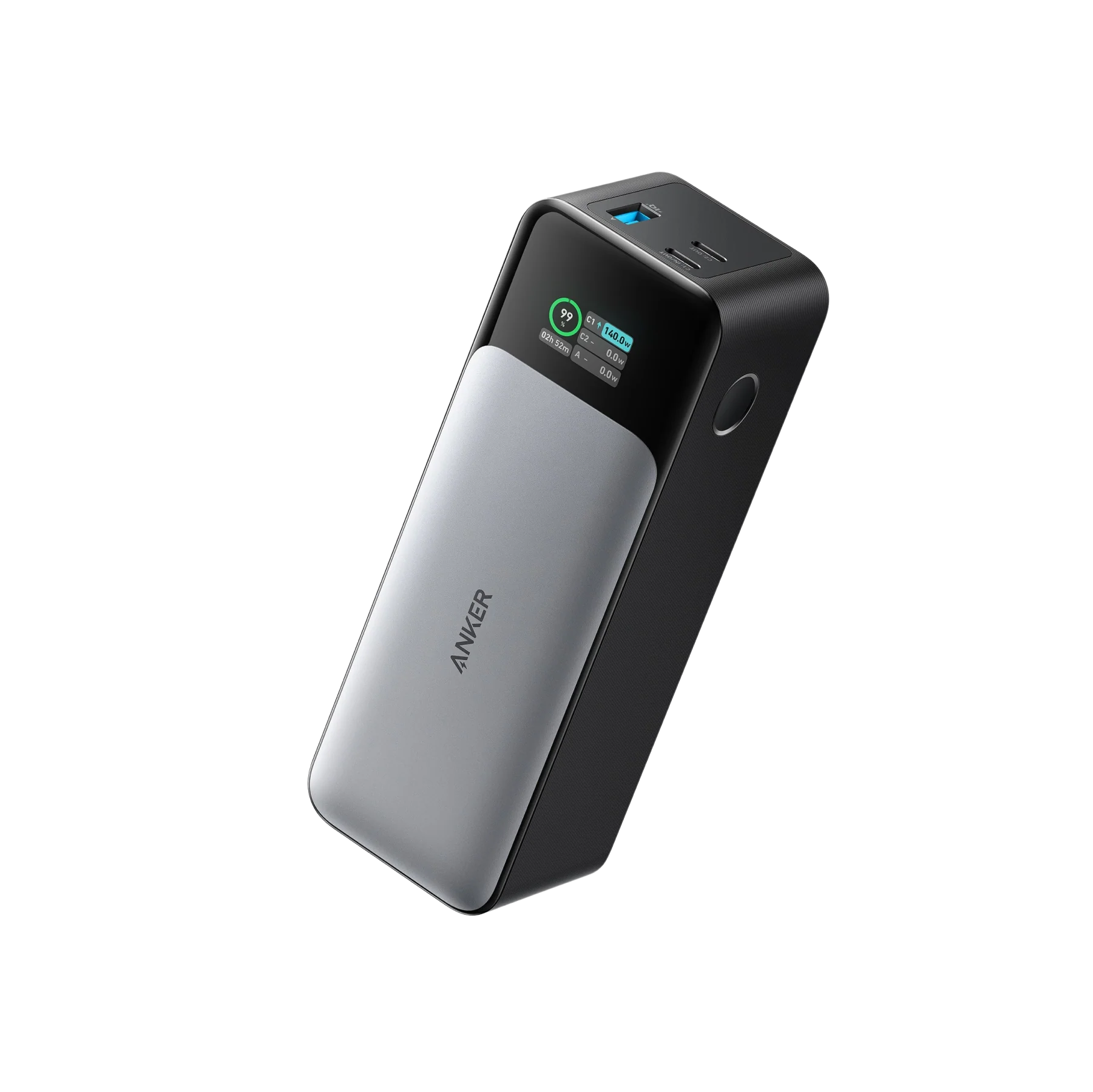
Anker 737 Power BankAnker20–40, 60–100, Pocket, Laptop, High Capacity140 W; 24000 mAh classAnker 737 Power Bank official page
Anker Prime 20,000 mAhAnker20–40, Everyday, Pocket20000 mAh; USB-C PDAnker Prime 20,000 mAh official page
Nitecore NB20000Nitecore20–40, Everyday, LaptopTravel-weight pack; USB-CNitecore NB20000 official page

Which example fits which class

Anker 737 Power Bank

Anker

Anker 737 Power Bank from Anker is an example in the 20–40, 60–100, Pocket, Laptop, and High Capacity class. Published notes on the official page include 140 W and 24000 mAh class. Keep it in the shortlist when your result lands in that class, then confirm the current specification before you buy.

Anker Prime 20,000 mAh

Anker

Anker Prime 20,000 mAh from Anker is an example in the 20–40, Everyday, and Pocket class. Published notes on the official page include 20000 mAh and USB-C PD. Keep it in the shortlist when your result lands in that class, then confirm the current specification before you buy.

Nitecore NB20000

Nitecore

Nitecore NB20000 from Nitecore is an example in the 20–40, Everyday, and Laptop class. Published notes on the official page include Travel-weight pack and USB-C. Keep it in the shortlist when your result lands in that class, then confirm the current specification before you buy.

What to verify before you buy

How this estimate works

Multiply device watt-hours by the number of full charges, divide by conversion efficiency, and convert the result to milliamp-hours at 3.7 V.

Know the limits

  • Cable loss, cold weather, and laptop USB-C negotiation reduce delivered energy.
  • Airline watt-hour limits for carry-on batteries are separate from this sizing estimate.
  • Manufacturer capacity labels are often stated at the cell voltage, not the USB output.

Frequently asked questions

How does the power-bank trip calculator work?

It converts the published inputs on this page into a planning class using a published rule. Multiply device watt-hours by the number of full charges, divide by conversion efficiency, and convert the result to milliamp-hours at 3.7 V. The headline is a class such as 20–40, 60–100, Pocket, Laptop, High Capacity, and Everyday, not a vendor ranking.

Is Anker 737 Power Bank better than Anker Prime 20,000 mAh?

This page does not rank Anker 737 Power Bank, Anker Prime 20,000 mAh, and Nitecore NB20000. Anker 737 Power Bank and Anker Prime 20,000 mAh are listed because they are real products with official pages that map to different or overlapping classes. The useful question is which class matches your inputs.

Can I treat the result as a buying recommendation?

Cable loss, cold weather, and laptop USB-C negotiation reduce delivered energy. Use the class to decide what to read next, then verify fit, terms, and installation requirements on the official page and with a qualified installer when the product needs one.

Do the product links earn Decision Lantern a commission?

Not on the current preview. Links go to official manufacturer or service pages. If compensated links are added later, the disclosure on this page will say so in plain language.

What should I verify after I get a class?

Confirm the current specification, dimensions or plan limits, and any program terms on the official page. Airline watt-hour limits for carry-on batteries are separate from this sizing estimate. The next editorial review for this page is due 2026-11-14.

Why these 3 examples?

They are real energy and power options with an affiliate program on file and an official product page. Anker and Nitecore appear because each one can represent at least one planning class on this page, not because Decision Lantern tested or endorsed them.

Sources

  1. Basics of Electricity, Energy, National Renewable Energy Laboratory. Retrieved .

Next review