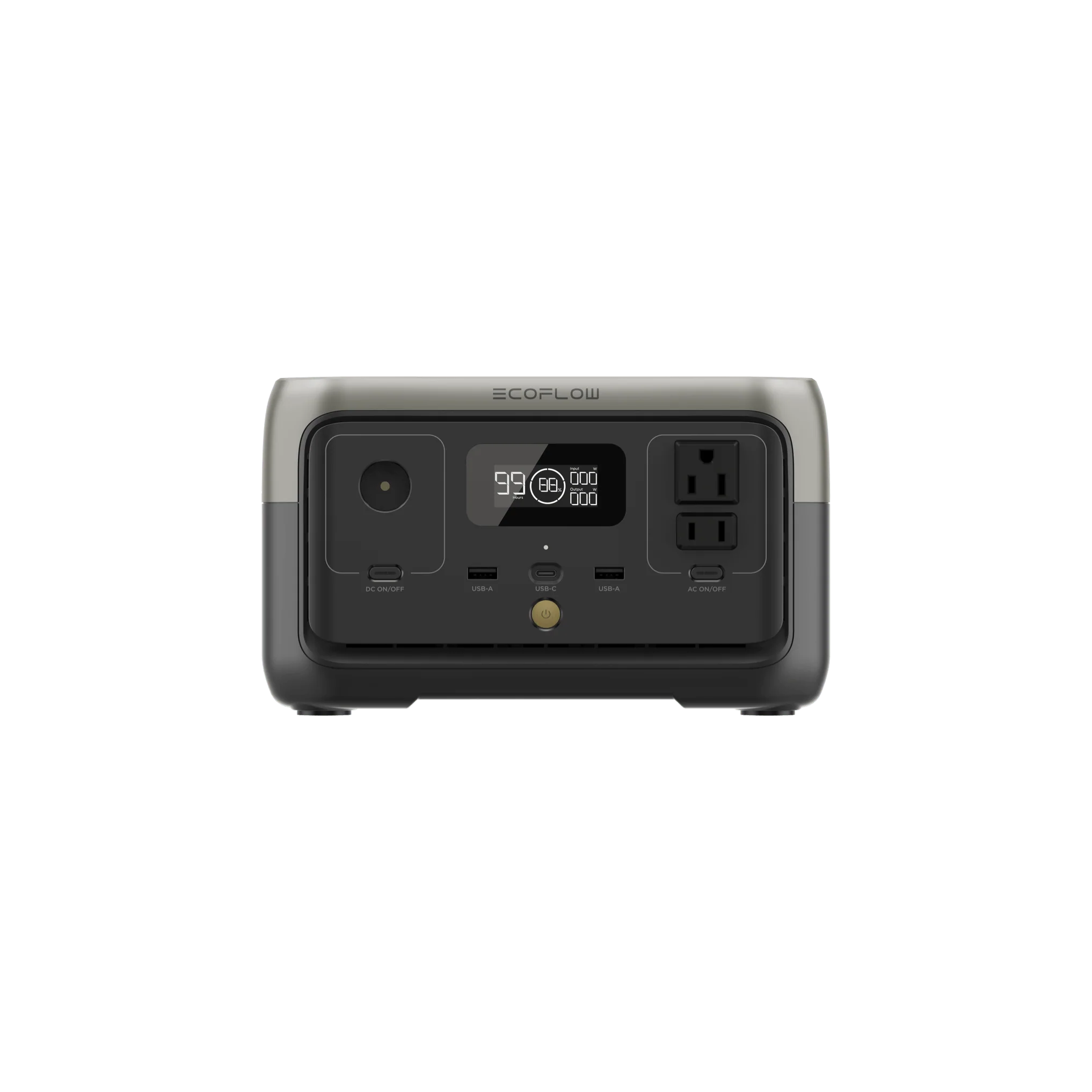
EcoFlow RIVER 2
Fits this power-station planning group.
EcoFlow
- 256 Wh
- 300 W output
Energy and power calculator
People estimating a portable battery size from devices they already own. The decision this page isolates is narrow on purpose: estimate energy capacity and inverter requirements without selecting a product. Watt-hours and inverter watts are different limits. Size both before you compare a station.
Estimated minimum capacity
735 Wh
520 Wh ÷ 85% efficiency × 1.20 reserve = 735 Wh.
Real products that fit this planning category. Specs come from the manufacturer’s product page. These are examples, not rankings. The links are official product pages—not affiliate links yet.
Open a matching official example
Fits this power-station planning group.
EcoFlow
Fits this power-station planning group.
EcoFlow
Fits this power-station planning group.
Jackery
The table below is a side-by-side of the official examples on this page. Columns are published facts—maker, planning class, and notes taken from the official page—not scores. EcoFlow RIVER 2, EcoFlow DELTA 2, and Jackery Explorer 1000 v2 are included so you can see how classes differ, then open the official page for the current specification.
| Example | Maker | Planning classes | Published notes |
|---|---|---|---|
| EcoFlow RIVER 2 | EcoFlow | Power Station | 256 Wh; 300 W output |
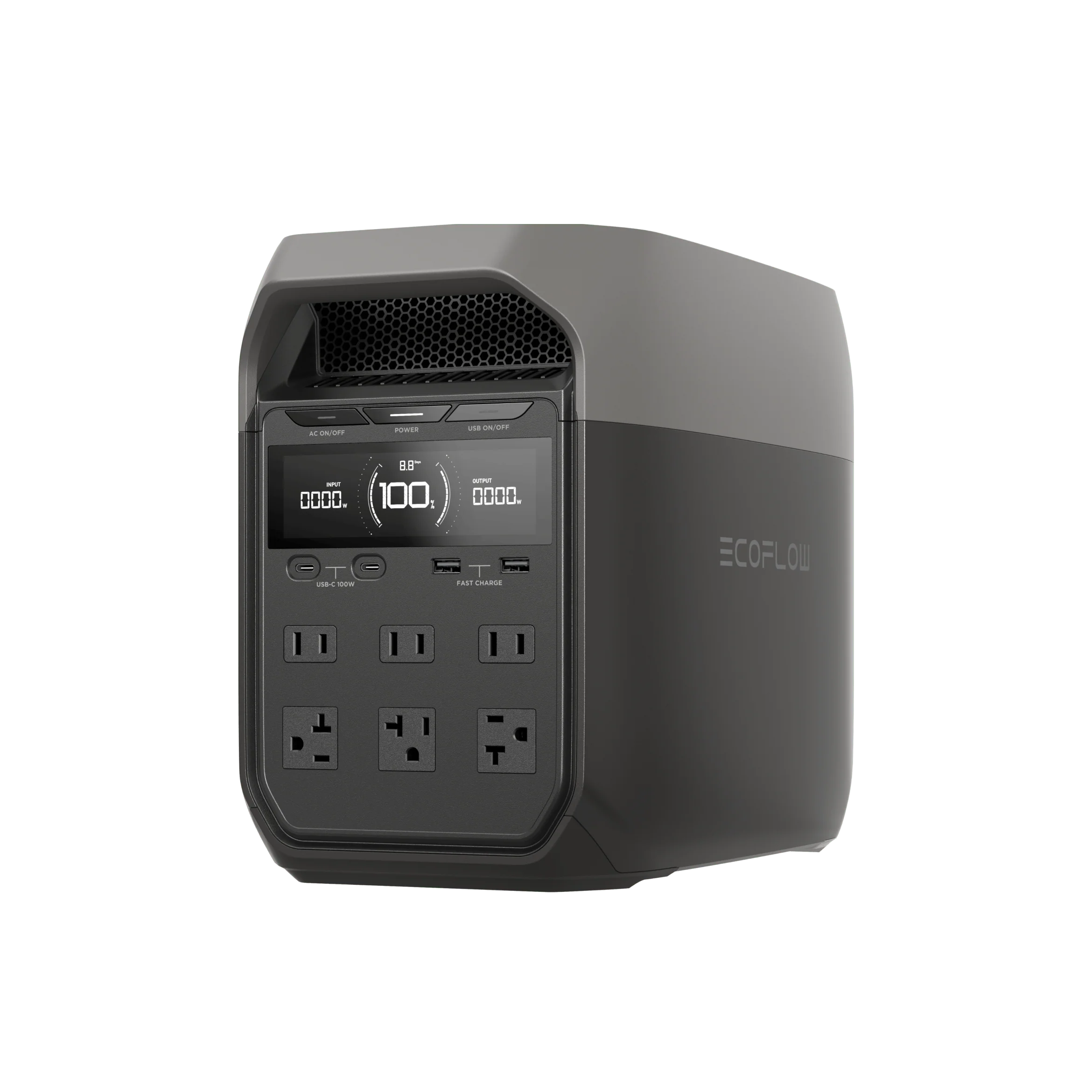
| EcoFlow DELTA 2 | EcoFlow | Power Station | 1024 Wh; 1800 W output |
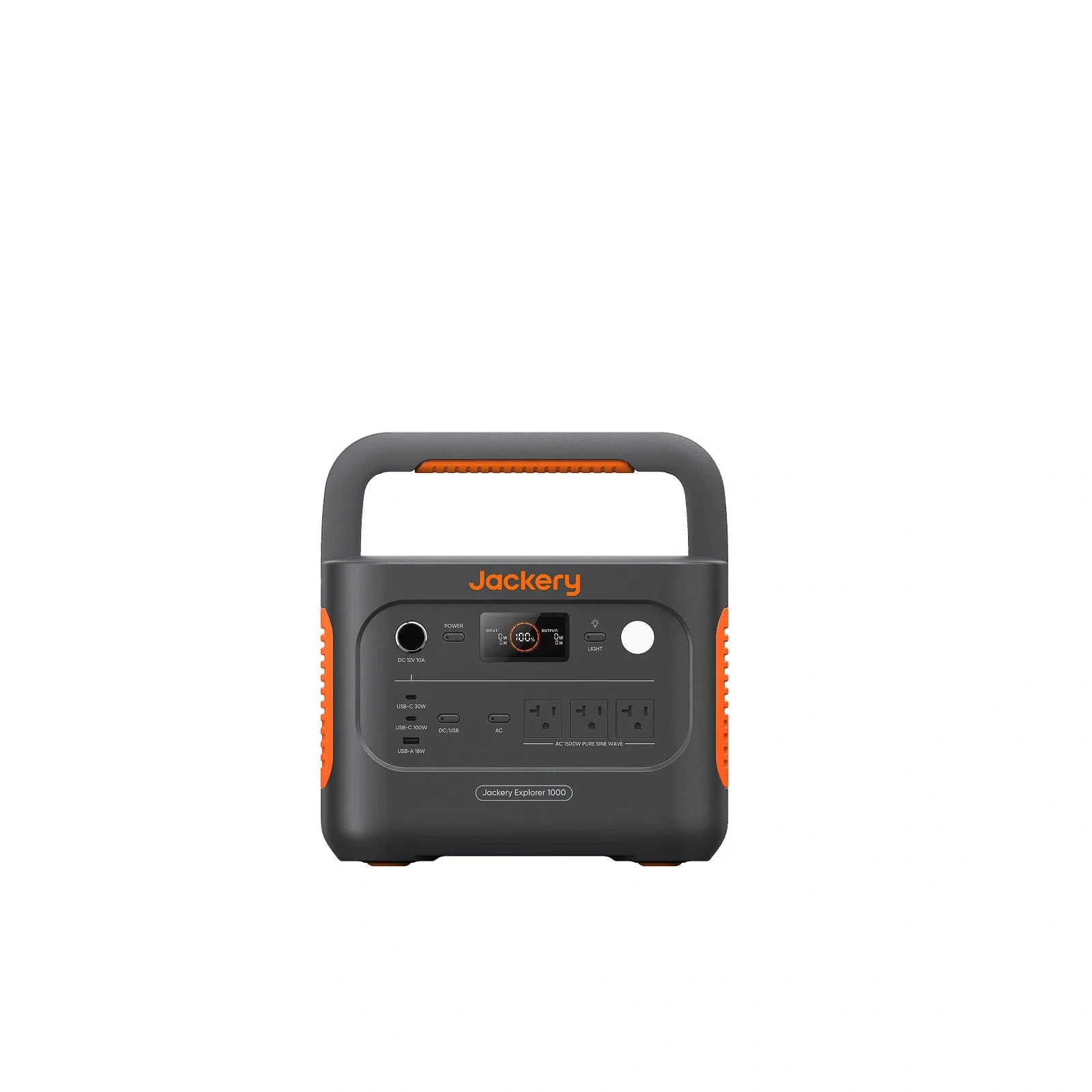
| Jackery Explorer 1000 v2 | Jackery | Power Station | 1070 Wh; 1500 W output |
Measure: List every device you actually plan to run, not a wishlist. Use the nameplate watts on the brick or the product spec sheet. For phones and laptops, battery watt-hours printed on the pack are more honest than a charger’s peak watt rating. Time is the hours you need the device on, not the hours you own it.
Example: A 60 W laptop for 4 hours is 240 Wh, a 10 W router for 12 hours is 120 Wh, and a 40 W mini-fridge for 8 hours is 320 Wh. That is 680 Wh of load. At 85 percent inverter efficiency with a 20 percent reserve, plan around 960 Wh, not a 300 Wh picnic pack.
Avoid: People shop by “powers a fridge” marketing and ignore surge watts. Compressors and power tools draw several times their running watts at start. If the inverter cannot cover that spike, the station trips even when the watt-hour math looks fine.
Add wattage multiplied by runtime and quantity, adjust for conversion efficiency, then add the selected reserve.
Energy is power over time: watts × hours = watt-hours. Capacity and inverter output are separate constraints, so the result reports both.
It converts the published inputs on this page into a planning class using a published rule. Add wattage multiplied by runtime and quantity, adjust for conversion efficiency, then add the selected reserve. The headline is a class such as Power Station, not a vendor ranking.
This page does not rank EcoFlow RIVER 2, EcoFlow DELTA 2, and Jackery Explorer 1000 v2. EcoFlow RIVER 2 and EcoFlow DELTA 2 are listed because they are real products with official pages that map to different or overlapping classes. The useful question is which class matches your inputs.
Not on this page. The example links go to official manufacturer or service pages. If compensated links are added later, the disclosure on this page will say so in plain language.
Next review